

Glass door clamps are small components with a big responsibility. They secure glass panels, ensure structural stability, and directly influence both safety and aesthetics in modern architectural spaces. Whether you are working on a commercial office, hotel project, retail storefront, or residential interior, choosing the right glass door clamp is critical to achieving durability, compliance, and visual harmony.
In today’s global construction and interior design market, buyers are no longer just looking for basic functionality. They expect certified quality, corrosion resistance, precision engineering, and compatibility with different glass systems. This guide will walk you through everything you need to know to select the right glass door clamp for your project while optimizing performance, safety, and long-term value.
Understanding What a Glass Door Clamp Does
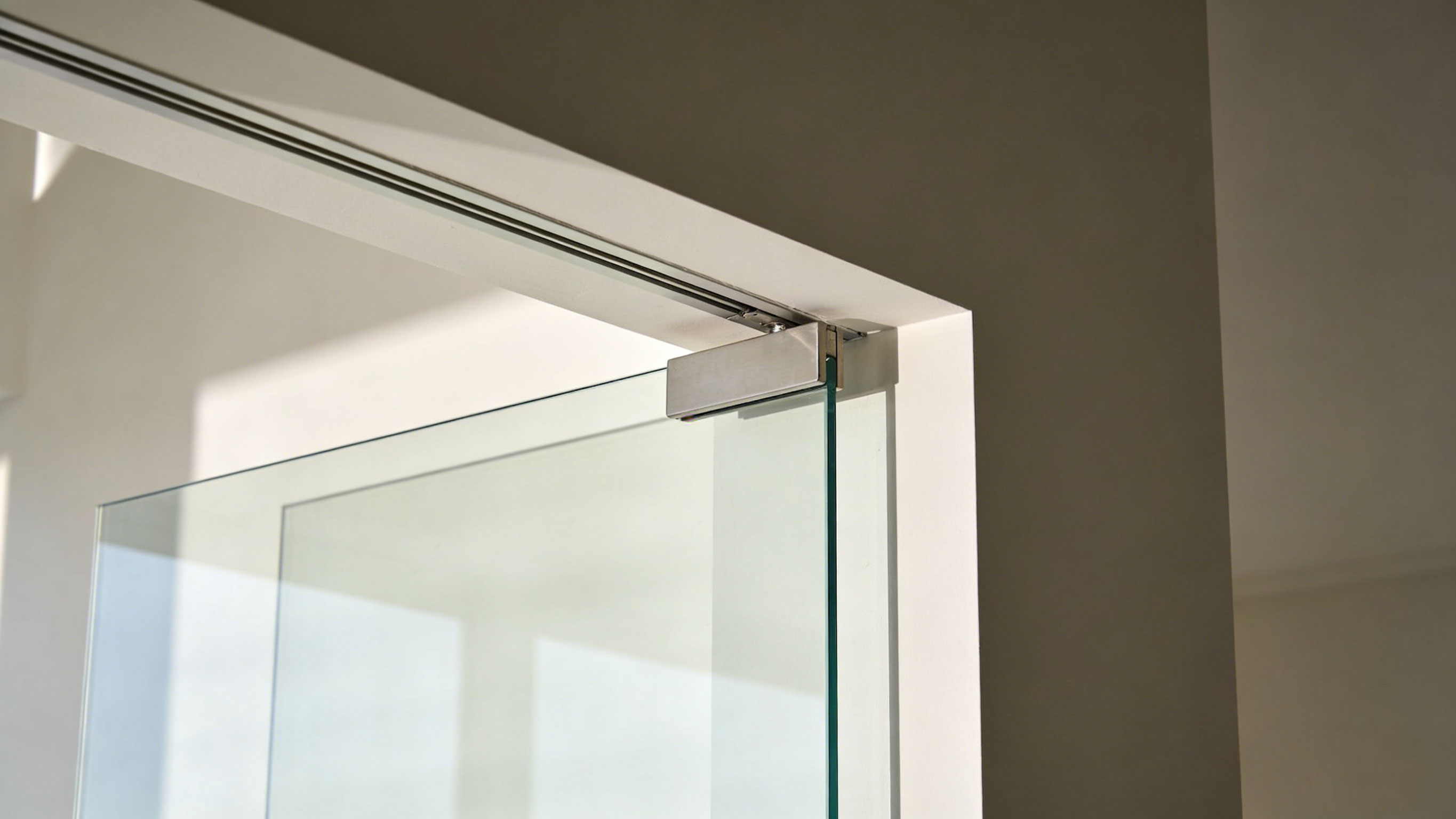
A glass door clamp is a hardware component designed to securely hold glass panels without the need for drilling large holes through the glass. It acts as a connector between the glass and other structural elements such as walls, floors, or adjacent glass panels.
Unlike traditional framed systems, glass clamps are essential in frameless or semi-frameless glass door systems. They provide:
▪ Structural support and load distribution
▪ Alignment and positioning of glass panels
▪ A clean, minimalist aesthetic
▪ Safe and stable operation over time
Because glass is a fragile yet heavy material, the quality and design of the clamp directly affect the safety of the entire installation. A poorly chosen clamp can lead to instability, misalignment, or even glass breakage.
Key Factors to Consider When Choosing a Glass Door Clamp
Selecting the right clamp is not just about appearance. It involves evaluating multiple technical and environmental factors to ensure compatibility with your project requirements.
1. Glass Thickness Compatibility
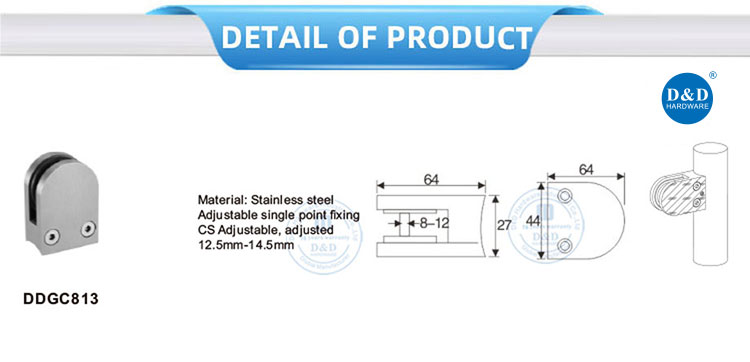
One of the first things to check is the thickness of the glass panel. Glass door clamps are designed to accommodate specific thickness ranges, commonly:
▪ 8–10 mm glass
▪ 10–12 mm glass
▪ 12–15 mm glass
Using a clamp that does not match the glass thickness can result in improper grip or excessive pressure, both of which are safety risks. Always confirm the clamp specification before purchasing.
2. Material and Corrosion Resistance
The material of the clamp plays a major role in durability and performance, especially in different environments.
High-quality clamps are typically made from:
▪ Stainless steel 201 (cost-effective, indoor use)
▪ Stainless steel 304 (standard commercial applications)
▪ Stainless steel 316 (marine and high-humidity environments)
For projects in coastal areas, swimming pools, or humid climates, stainless steel 316 is strongly recommended due to its superior corrosion resistance. Surface treatments such as satin, polished, or PVD coating can further enhance durability and aesthetics.
3. Load Capacity and Safety Requirements
Every glass clamp must be able to support the weight of the glass panel it holds. This is especially important for large or heavy glass doors.
Consider:
▪ Maximum load capacity per clamp
▪ Number of clamps required per door
▪ Door size and weight
For commercial or high-traffic environments, always choose heavy-duty clamps that meet international safety standards. This ensures long-term reliability and reduces maintenance costs.
4. Application Type and Installation Position
Glass door clamps come in different designs depending on where and how they are used. Choosing the right type depends on your project layout.
Common types include:
▪ Wall-to-glass clamps – connect glass panels to walls
▪ Glass-to-glass clamps – connect two glass panels at various angles
▪ 90-degree clamps – used for corner installations
▪ 180-degree clamps – used for straight-line connections
Each type is engineered for a specific installation angle and structural requirement. Using the wrong type can compromise both appearance and stability.
5. Design and Aesthetic Considerations
In modern architecture, glass doors are often used to create open, elegant spaces. The clamp design should complement the overall visual style.
Popular design options include:
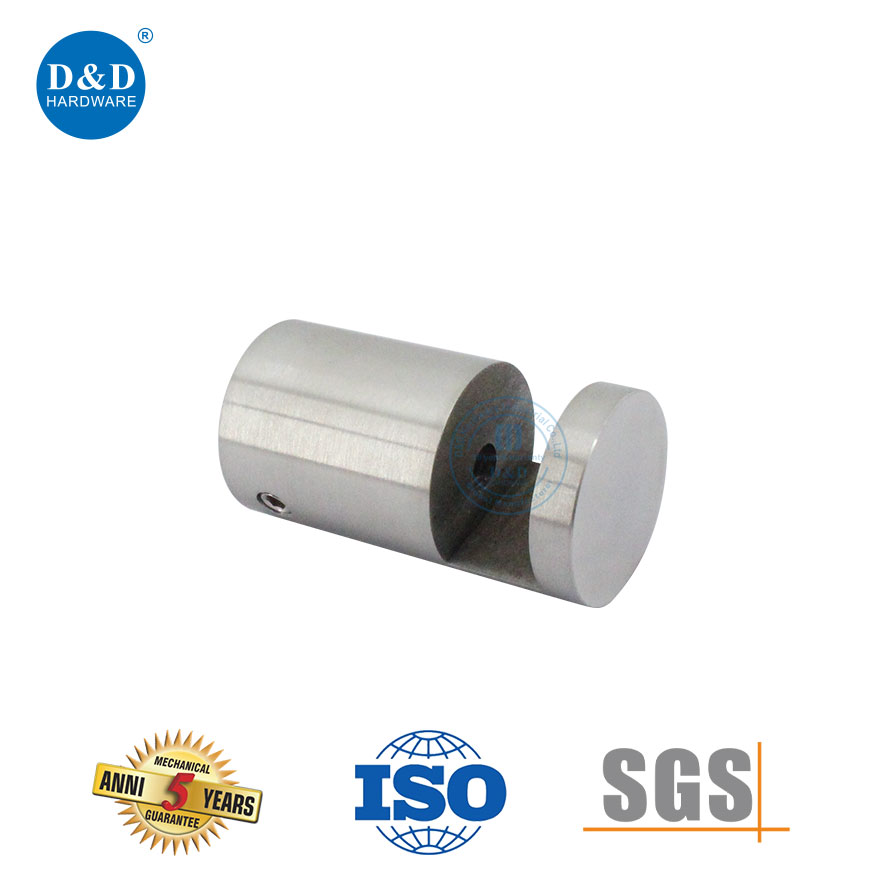
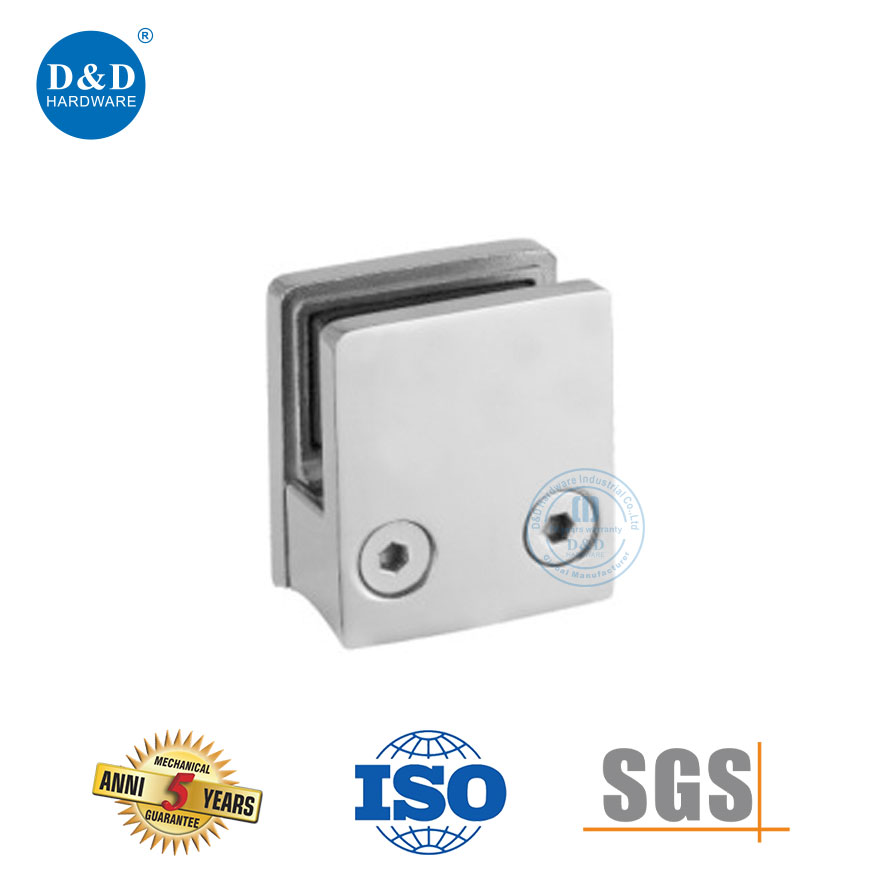
▪ Square or rectangular clamps for a modern look
▪ Rounded clamps for softer aesthetics
▪ Minimalist frameless designs
Finish options such as satin stainless steel, mirror polished, matte black, or gold PVD allow you to match the clamp with other hardware elements like hinges, handles, and locks.
A well-chosen clamp enhances the overall design rather than distracting from it.
Matching Glass Door Clamps to Different Project Types
Different projects have different requirements, and selecting the right clamp depends heavily on the application scenario.
Commercial Buildings and Offices
In offices and commercial buildings, glass doors are frequently used in entrances, meeting rooms, and partitions. These environments require:
▪ High durability for frequent use
▪ Compliance with safety standards
▪ Clean and professional appearance
Heavy-duty stainless steel 304 clamps are typically ideal, offering a balance between cost and performance.
Hotels and Luxury Spaces
Hotels, resorts, and high-end retail spaces prioritize aesthetics as much as functionality.
For these projects:
▪ Premium finishes like polished or PVD are preferred
▪ Consistency with interior design is essential
▪ Smooth edges and refined detailing are important
Stainless steel 316 is often used in areas exposed to moisture, such as bathrooms or spa facilities.
Residential Applications
For homes, glass door clamps are commonly used in shower enclosures, balconies, and interior partitions.
Key considerations include:
▪ Corrosion resistance (especially in bathrooms)
▪ Safety for family use
▪ Easy maintenance
Compact and visually appealing designs are usually preferred to maintain a clean look.
Coastal and Outdoor Projects
Outdoor installations or projects near the sea require special attention due to exposure to salt and humidity.
In these environments:
▪ Stainless steel 316 is essential
▪ Anti-corrosion surface treatment is critical
▪ Long-term durability is a priority
Choosing lower-grade materials in such conditions can lead to rust and failure within a short period.
Importance of Certifications and Quality Standards
When sourcing glass door clamps for international projects, certifications play a key role in ensuring product reliability and compliance.
Look for manufacturers that meet standards such as:
▪ ANSI (American National Standards Institute)
▪ CE (European conformity standards)
▪ UL (safety certification for fire-rated applications where applicable)
Certified products undergo rigorous testing for strength, durability, and safety. This is especially important for commercial and public projects where compliance is mandatory.
Installation and Compatibility Tips
Even the best glass door clamp will not perform well if it is not installed correctly. Proper installation ensures safety and longevity.
Important tips include:
▪ Ensure accurate measurement before installation
▪ Use appropriate gaskets to protect the glass
▪ Avoid over-tightening to prevent glass stress
▪ Follow manufacturer guidelines strictly
Compatibility with other hardware components such as glass door hinges, locks, and handles is also crucial. Choosing products from the same supplier can help ensure a perfect fit and consistent finish.
Common Mistakes to Avoid
Many buyers make avoidable mistakes when selecting glass door clamps. Being aware of these can save time and cost.
Some common errors include:
▪ Choosing based on price alone instead of quality
▪ Ignoring environmental conditions
▪ Selecting the wrong size or type
▪ Overlooking certification requirements
▪ Mixing incompatible hardware finishes
Avoiding these mistakes will help ensure a smooth project execution and long-term satisfaction.
Why Choosing the Right Supplier Matters
Beyond the product itself, the supplier plays a crucial role in the success of your project.
A reliable supplier should offer:
▪ Consistent product quality
▪ Wide range of specifications and designs
▪ Strong production capability
▪ International certifications
▪ Professional technical support
Working with an experienced manufacturer ensures that you receive not just products, but also guidance tailored to your project needs.
Conclusion
Choosing the right glass door clamp is a critical step in ensuring the safety, functionality, and visual appeal of your glass door system. From material selection and load capacity to design and certification, every detail matters.
A well-selected clamp not only enhances the structural integrity of your installation but also contributes to the overall aesthetic of the space. By understanding your project requirements and working with a trusted supplier, you can achieve a solution that meets both technical and design expectations.
As the demand for modern glass architecture continues to grow globally, investing in high-quality glass door clamps is no longer optional—it is essential for delivering durable, safe, and visually impressive results.
Please feel free to contact us at any time!
David Jian:
Tel / WhatsApp / Wechat:+86-139 2903 7292