

When designing or upgrading a modern bathroom, shower glass doors are often the centerpiece. Their clean lines, transparency, and minimalist appeal elevate both residential and commercial spaces. However, behind every smooth and elegant glass door is a critical hardware component that determines performance, safety, and durability: the glass door hinge.
Choosing the right hinge for shower doors is not just about appearance—it directly affects door stability, long-term functionality, corrosion resistance, and user experience. For contractors, architects, and distributors, selecting the correct hinge specification is essential to avoid costly replacements or safety issues.
In this comprehensive guide, we will explore everything you need to know about selecting the best glass door hinges for shower applications, including types, materials, load capacity, installation considerations, and expert tips to ensure optimal performance.
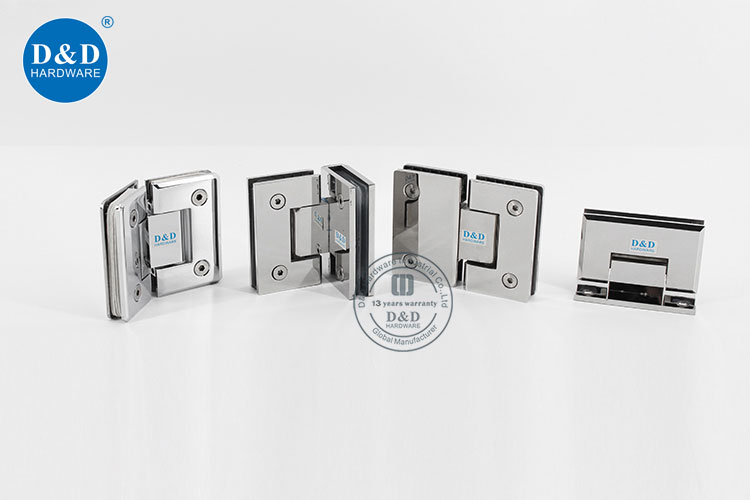
Why Glass Door Hinges Matter in Shower Applications
Glass shower doors operate in a unique environment—constant exposure to water, humidity, temperature changes, and cleaning chemicals. This makes hinge selection far more critical than in standard door applications.
A high-quality hinge ensures:
• Smooth opening and closing performance
• Strong load-bearing support for heavy tempered glass
• Long-term resistance to corrosion and rust
• Safe and stable door alignment
• Minimal maintenance over time
Poor hinge selection, on the other hand, can lead to sagging doors, squeaking, corrosion, or even glass breakage. This is why professional projects always prioritize certified, high-performance hardware.
Main Types of Glass Door Hinges for Shower Doors
Understanding hinge types is the first step in making the right choice. Different shower layouts require different hinge configurations.
1. Wall-to-Glass Hinges
These hinges connect the glass door directly to a wall.
They are the most commonly used type in residential bathrooms due to their simple installation and strong support.
Key features:
• Easy to install
• Suitable for single shower doors
• Available in 90° and adjustable angles
2. Glass-to-Glass Hinges
Designed for frameless shower enclosures, these hinges connect two glass panels.
Common configurations include:
• 180° inline hinges
• 135° corner hinges
• 90° corner hinges
They are widely used in high-end hotel bathrooms and luxury residential projects.
3. Pivot Hinges
Pivot hinges allow the door to rotate from a top and bottom pivot point rather than side mounting.
Advantages:
• Supports heavier glass doors
• Offers a premium, seamless look
• Ideal for larger shower enclosures
4. Offset Hinges
Offset hinges shift the pivot point slightly, allowing wider door openings and better space utilization.
These are especially useful in compact bathrooms where maximizing entry space is important.
Material Selection: Why Stainless Steel Matters
Material plays a decisive role in the lifespan of shower door hinges. Due to constant exposure to moisture, only corrosion-resistant materials should be considered.
Recommended Materials
| Material | Corrosion Resistance | Strength | Best Application |
| Stainless Steel 201 | Moderate | Good | Indoor dry areas |
| Stainless Steel 304 | High | Excellent | Standard bathrooms |
| Stainless Steel 316 | Very High | Superior | Coastal / high humidity environments |
For most shower door applications, stainless steel 304 is the industry standard. However, in coastal regions or luxury projects, stainless steel 316 is strongly recommended due to its enhanced resistance to salt corrosion.
Load Capacity and Glass Thickness Considerations
Glass door hinges must be selected based on the weight and thickness of the glass panel.
Typical Specifications
• Glass thickness: 8mm, 10mm, 12mm
• Maximum door weight per pair of hinges: 40–50 kg (depending on model)
Selection Tips
• Always check the hinge load rating before purchase
• Use at least two hinges for standard doors and three hinges for taller or heavier panels
• Ensure compatibility with tempered safety glass
Using under-rated hinges can result in door misalignment, premature wear, or safety risks.
Opening Angle and Functionality
Different hinge models offer different opening angles and closing mechanisms.
Common Opening Angles
• 90° (standard)
• 135° (corner installations)
• 180° (inline glass panels)
Self-Closing Function
Many shower hinges are designed with a self-closing mechanism (typically closing from 25°).
Benefits include:
• Improved water containment
• Enhanced user convenience
• Reduced door slamming
For premium projects, soft-close or hydraulic-assisted hinges may also be considered.
Finish and Aesthetic Options
The visual appearance of hinges plays a significant role in overall bathroom design.
Popular Finishes
• Satin (brushed) stainless steel
• Polished mirror finish
• Matte black
• PVD-coated finishes (gold, bronze, etc.)
When selecting finishes:
• Match hinges with other bathroom hardware (handles, clamps, faucets)
• Consider anti-fingerprint coatings for easier maintenance
• Choose PVD finishes for enhanced durability and scratch resistance
Installation Considerations
Even the best hinge will fail if improperly installed. Professional installation is highly recommended for shower glass doors.
Key Installation Factors
• Accurate glass cut-outs and hole positioning
• Proper wall anchoring and reinforcement
• Correct alignment to prevent door sagging
• Use of high-quality gaskets to avoid glass damage
Common Mistakes to Avoid
• Using mismatched hinge and glass thickness
• Over-tightening screws, causing glass stress
• Ignoring weight distribution
• Poor sealing leading to water leakage
How to Choose the Right Hinge: Quick Checklist
When selecting shower door hinges, consider the following:
• Door type: wall-to-glass or glass-to-glass
• Glass thickness and weight
• Required opening angle
• Material (304 or 316 stainless steel recommended)
• Finish and design compatibility
• Installation environment (humidity, coastal conditions)
This checklist helps ensure that both functional and aesthetic requirements are met.
Why Quality Matters for Commercial Projects
In hotels, office buildings, and public facilities, shower door hinges must meet higher durability and performance standards.
High-quality hinges offer:
• Long lifecycle performance (tested for repeated use)
• Stable closing performance over time
• Resistance to corrosion and cleaning chemicals
• Reduced maintenance costs
For distributors and project contractors, choosing reliable manufacturers ensures consistent product quality and customer satisfaction.
FAQ: Glass Door Hinges for Shower Doors
Q1: What is the best material for shower door hinges?
Stainless steel 304 is the most commonly used material, while stainless steel 316 is ideal for coastal or high-humidity environments.
Q2: How many hinges are needed for a shower door?
Typically, two hinges are sufficient for standard doors. Heavier or taller doors may require three hinges.
Q3: Can shower door hinges rust?
Low-quality materials can rust over time. High-grade stainless steel hinges provide strong corrosion resistance.
Q4: Do all shower hinges have a self-closing function?
No, but many modern hinges include a self-closing feature for convenience and safety.
Q5: What glass thickness is compatible with most hinges?
Most hinges support 8mm to 12mm tempered glass, but specifications should always be verified.
Conclusion
Choosing the right glass door hinges for shower doors is a crucial step in ensuring safety, durability, and design excellence. From selecting the correct hinge type to choosing high-quality stainless steel materials and proper finishes, every detail contributes to the overall performance of the shower system.
Whether you are a contractor, distributor, or project manager, investing in high-performance hinges will not only enhance user experience but also reduce long-term maintenance costs and improve project reliability.
By following the guidelines in this article, you can confidently select the ideal hinge solution for any shower door application.
Please feel free to contact us at any time!
David Jian:
Tel / WhatsApp / Wechat:+86-139 2903 7292