

As commercial spaces evolve to meet higher expectations for design consistency, safety, and user experience, glass door handle trends are shifting accordingly. Architects, designers, and project developers are increasingly selecting handles that reflect minimalist aesthetics, advanced materials, and smart functionality while ensuring long-term performance in high-traffic environments. This article explores the most influential trends shaping modern glass door handles for commercial spaces today.
Minimalist Design and Clean Architectural Lines
One of the most dominant trends in modern glass door handles is minimalism. Commercial interiors increasingly favor clean lines, uncluttered surfaces, and understated elegance. Glass door handles are designed to complement the transparency of glass rather than overpower it, resulting in sleek, linear profiles and refined proportions.
Minimalist handles often feature straight tubular shapes, soft-radius edges, or flat rectangular profiles. These designs align seamlessly with frameless or semi-frameless glass door systems, creating a cohesive visual flow across entrances, partitions, and internal doors. Instead of decorative elements, emphasis is placed on balance, symmetry, and precision machining.
In commercial environments such as office buildings and co-working spaces, minimalist handles contribute to a professional and modern atmosphere. In hospitality and retail settings, they enhance visual clarity, allowing branding, interior décor, and architectural details to take center stage. This trend also supports timeless design, reducing the need for frequent updates as interior styles change.

Stainless Steel as the Preferred Material Standard
Material selection plays a critical role in commercial glass door handle trends, with stainless steel continuing to dominate the market. Its combination of strength, corrosion resistance, and modern appearance makes it ideal for demanding commercial applications.
Stainless steel door handles are particularly favored for their ability to withstand constant use while maintaining a consistent finish. In high-traffic environments such as shopping malls, airports, hospitals, and office towers, durability is non-negotiable. Stainless steel provides long-term reliability without compromising aesthetics.
Commonly preferred grades include:
-
Stainless Steel 304 for general indoor commercial applications
-
Stainless Steel 316 for coastal areas, humid environments, or luxury projects requiring enhanced corrosion resistance
-
Stainless Steel 201 for cost-effective solutions where appearance and performance still matter
Surface finishes such as satin brushed, fine matte, and polished stainless steel are widely used to match modern interior themes. These finishes not only enhance visual appeal but also reduce visible fingerprints and wear, making them suitable for public-facing commercial spaces.
Larger Pull Handles for Statement Entrances
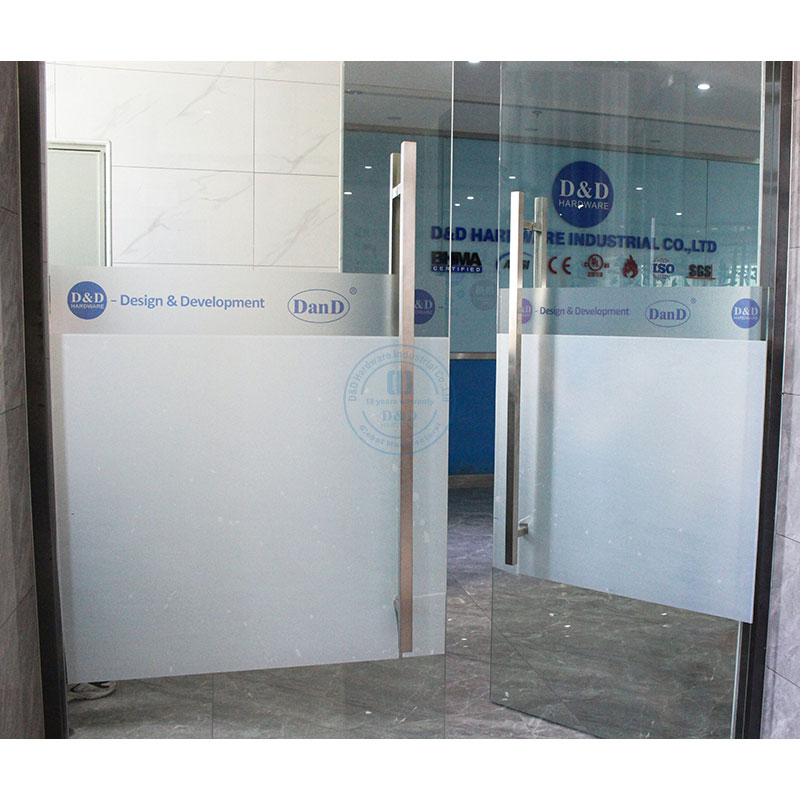
Another notable trend in modern glass door handles is the increasing use of large-format pull handles, especially for main entrances and high-visibility areas. Oversized pull handles create a bold architectural statement while improving usability for heavy or tall glass doors.
In commercial buildings such as hotels, corporate headquarters, and flagship retail stores, long pull handles are often used to reinforce brand identity and convey a sense of scale and prestige. These handles extend vertically or horizontally across a significant portion of the glass panel, making entrances more intuitive and visually striking.
Beyond aesthetics, larger handles offer practical benefits. They provide better leverage when opening heavy tempered or laminated glass doors and improve accessibility for users of different heights. This aligns well with modern commercial design principles that prioritize inclusivity and user comfort without sacrificing visual impact.

Seamless Integration with Frameless Glass Systems
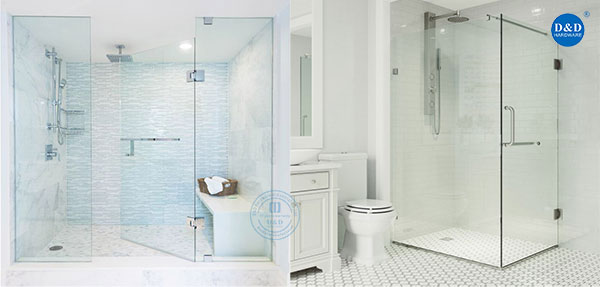
As frameless glass doors become increasingly popular in commercial interiors, door handle designs are evolving to integrate more seamlessly with these systems. Modern handles are engineered to complement frameless installations, focusing on concealed fixings and minimal hardware visibility.
Patch-fitted and through-glass mounting systems are commonly used to achieve a clean, uninterrupted glass appearance. These designs eliminate bulky brackets and exposed screws, creating a floating effect that enhances the elegance of the door.
This trend is particularly strong in office partitions, conference rooms, and luxury retail interiors where transparency and openness are key design objectives. Handles that appear as natural extensions of the glass panel help maintain visual continuity while delivering the required mechanical strength.
Ergonomic Design for High-Traffic Commercial Use
Functionality is just as important as aesthetics in commercial glass door handle design. Modern trends emphasize ergonomic shaping to ensure comfort, safety, and ease of use, especially in high-traffic environments.
Commercial door handles are now designed with user interaction in mind. Rounded edges, comfortable grip diameters, and balanced weight distribution reduce hand fatigue and improve usability for frequent operation. These considerations are especially important in settings such as hospitals, educational facilities, and office buildings where doors are used continuously throughout the day.
Ergonomic design also contributes to safety by minimizing sharp edges and uncomfortable angles. This trend reflects a broader shift toward human-centered design in commercial architecture, where every touchpoint is carefully considered to enhance the overall user experience.

Consistent Design Language Across Commercial Spaces
Another growing trend is the demand for design consistency across an entire commercial project. Architects and developers increasingly seek glass door handles that match other architectural hardware, such as hinges, locks, and door closers, creating a unified visual language.
Rather than selecting handles in isolation, modern commercial projects prioritize coordinated hardware solutions. This approach ensures that finishes, shapes, and proportions remain consistent across entrances, internal doors, and glass partitions.
Consistency is especially important in large-scale commercial developments such as office complexes, hotels, and mixed-use buildings. A cohesive hardware design enhances brand perception, reinforces architectural intent, and contributes to a more refined and professional environment.
Focus on Long-Term Performance and Easy Maintenance
Modern glass door handle trends also reflect a strong focus on lifecycle performance and maintenance efficiency. Commercial spaces demand hardware that maintains its appearance and functionality over time, even under heavy use.
Designs that resist wear, corrosion, and surface damage are increasingly preferred. Brushed and satin finishes help mask fingerprints and minor scratches, reducing the need for constant cleaning. Simple handle geometries with fewer joints and seams also minimize dirt accumulation and make maintenance easier.
This trend is driven by practical considerations, including reduced operational costs and improved long-term value for building owners. Durable, low-maintenance glass door handles are now seen as essential components of sustainable commercial design strategies.
Customization for Branding and Architectural Identity
Customization has become a key trend in modern commercial glass door handle design. Developers and brands want hardware that reflects their unique identity rather than relying solely on standard, off-the-shelf solutions.
Customized handle lengths, finishes, and profiles allow designers to align door hardware with brand aesthetics and architectural concepts. In premium commercial spaces, bespoke glass door handles are often used to create distinctive entrances and reinforce brand recognition.
This trend highlights the role of door handles as more than functional components. In modern commercial architecture, they are design elements that contribute to storytelling, user perception, and overall spatial experience.
Conclusion
Modern glass door handles for commercial spaces are shaped by a combination of minimalist aesthetics, durable materials, ergonomic performance, and architectural integration. As commercial environments continue to evolve, door handles are no longer secondary details but essential design features that influence both form and function.
From sleek stainless steel finishes and oversized pull handles to frameless integration and long-term durability, today’s trends reflect the growing expectations placed on commercial hardware. By selecting glass door handles that align with these trends, businesses and developers can enhance visual appeal, improve user experience, and ensure reliable performance across a wide range of commercial applications.
Please feel free to contact us at any time!
David Jian:
Tel / WhatsApp / Wechat:+86-139 2903 7292