

This guide provides practical, step-by-step installation tips for frameless glass door hardware, covering preparation, hardware positioning, fixing methods, alignment, and post-installation checks. While the process may appear straightforward, overlooking small details can result in misalignment, glass stress, or premature hardware failure.
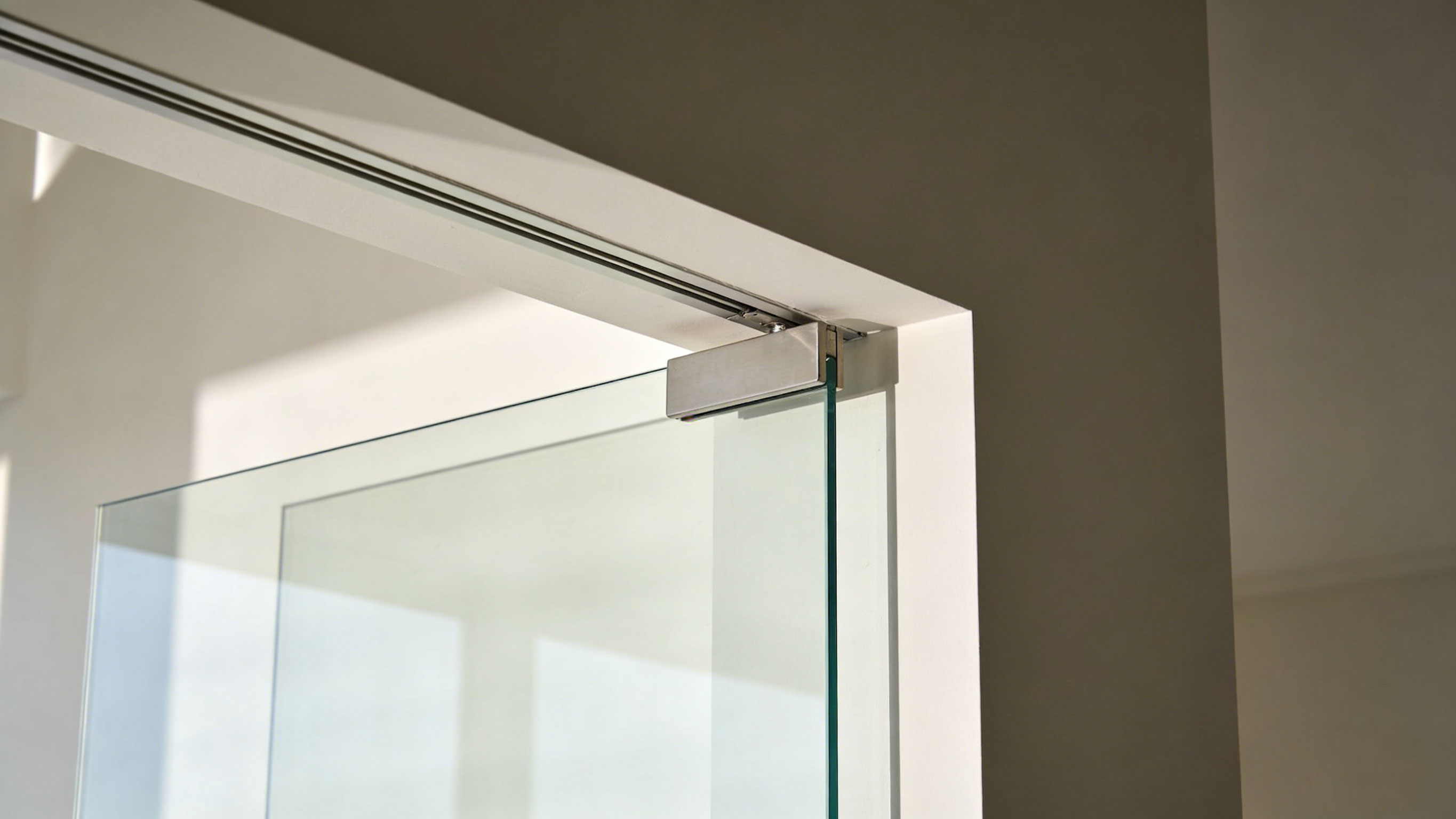
Understanding Frameless Glass Door Hardware Before Installation
Before beginning the installation process, it is important to understand how frameless glass door hardware functions as an integrated system rather than isolated components. Hinges, patch fittings, handles, locks, and floor springs or closers must work together to support the weight of the glass panel while allowing smooth and controlled movement.
Unlike framed doors, frameless glass doors depend heavily on:
-
Precise glass cut-outs and drilling
-
Load distribution through hardware contact points
-
Accurate vertical and horizontal alignment
-
Proper gasket and spacer usage to protect glass edges
Any installation approach that treats these components independently can lead to uneven stress on the glass, which increases the risk of cracking or operational problems over time.
Preparing the Glass and Opening Area
Preparation is one of the most critical phases in frameless glass door hardware installation. Errors made at this stage are difficult to correct later and often require replacing glass panels entirely.
The glass opening must be thoroughly checked for levelness and plumb before hardware installation begins. Even small deviations in floor flatness or wall alignment can cause doors to swing improperly or fail to close correctly. Measuring should always be done using professional-grade tools rather than visual estimation.
The glass itself must be inspected carefully. Edge quality, hole positioning, and cut-out dimensions must match the hardware specifications exactly. Attempting to force mismatched hardware onto glass panels can create concentrated pressure points that compromise safety.
During preparation, installers should ensure that:
-
Glass thickness matches the hardware design
-
All pre-drilled holes are clean and smooth
-
Protective films remain on the glass until installation is complete
-
Floor and wall fixing surfaces are solid and clean
This preparatory work creates a stable foundation for the remaining installation steps.
Positioning and Installing Glass Door Hinges or Patch Fittings
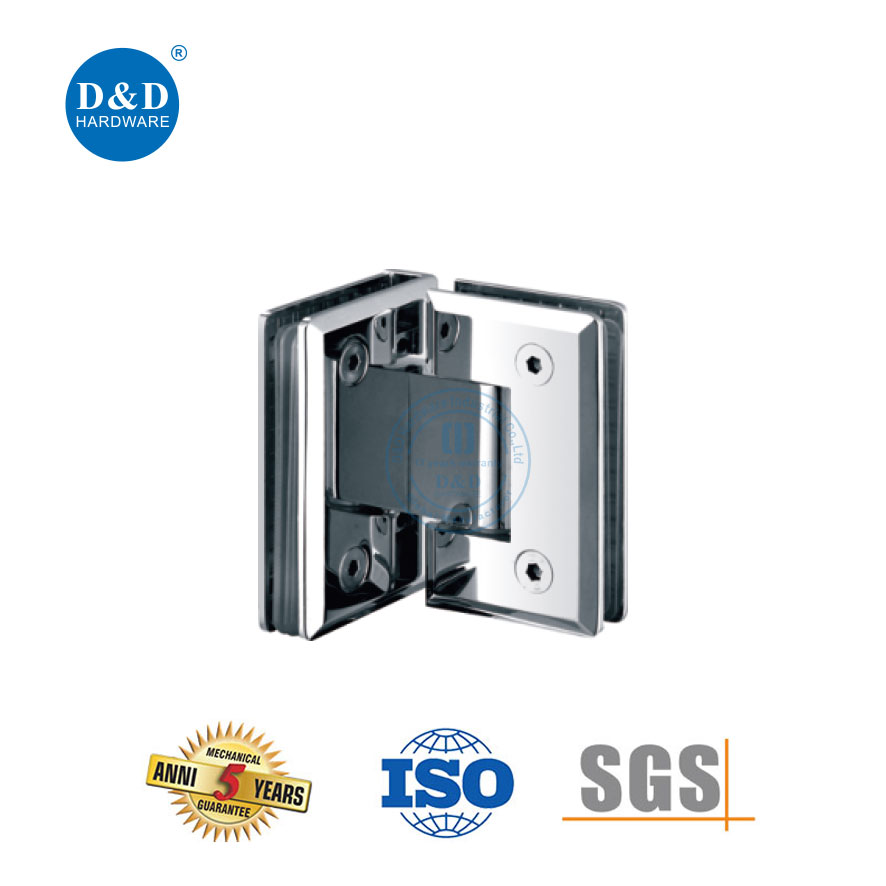
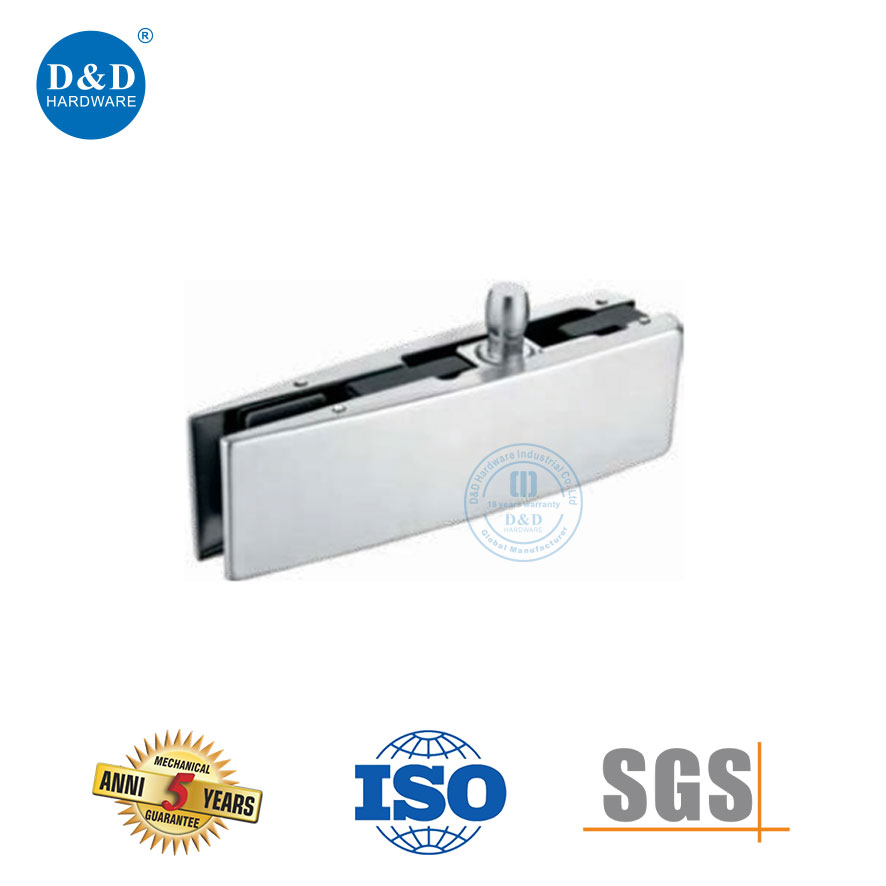
Hinges and patch fittings are the primary load-bearing elements in most frameless glass door systems. Their positioning determines door stability, swing performance, and long-term wear.
When installing hinges or patch fittings, alignment accuracy is essential. The fittings should be positioned according to the manufacturer’s recommended spacing to distribute the door weight evenly. Over-tightening fasteners at this stage is a common mistake that can damage the glass or distort the hardware.
A recommended approach is to initially secure fittings loosely, allowing for micro-adjustments once the door panel is set in place. This ensures the door can be fine-tuned before final tightening.
Key considerations during this step include:
-
Using protective gaskets between metal fittings and glass
-
Ensuring fittings sit flush without twisting
-
Maintaining consistent spacing from glass edges
-
Confirming hinge orientation before fixing
Taking extra time here significantly reduces the need for later rework.
Installing Floor Springs or Door Closers
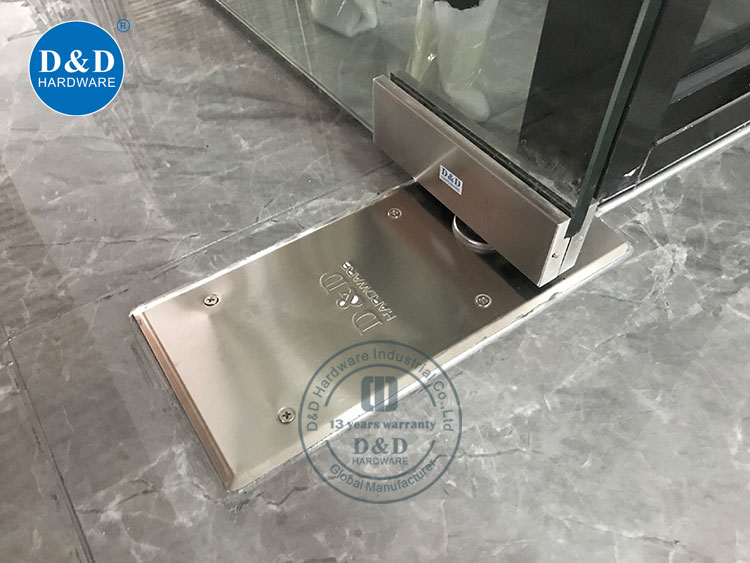
For frameless glass doors in commercial environments, floor springs or concealed door closers are commonly used to control door movement and ensure safe closing action. These components must be installed with absolute precision, as they influence both door performance and user safety.
Floor springs should be positioned exactly according to the door centerline. Any offset can cause uneven closing force, leading to door drift or hinge strain. The floor recess must be clean, level, and properly reinforced before installing the unit.
Once the floor spring or closer is in place, the door panel can be mounted and temporarily aligned. Final adjustment of closing speed and latch action should only be performed after all hardware components are installed.
This step often requires patience, as small adjustments can produce noticeable changes in door behavior.
Mounting Glass Door Handles and Lock Hardware
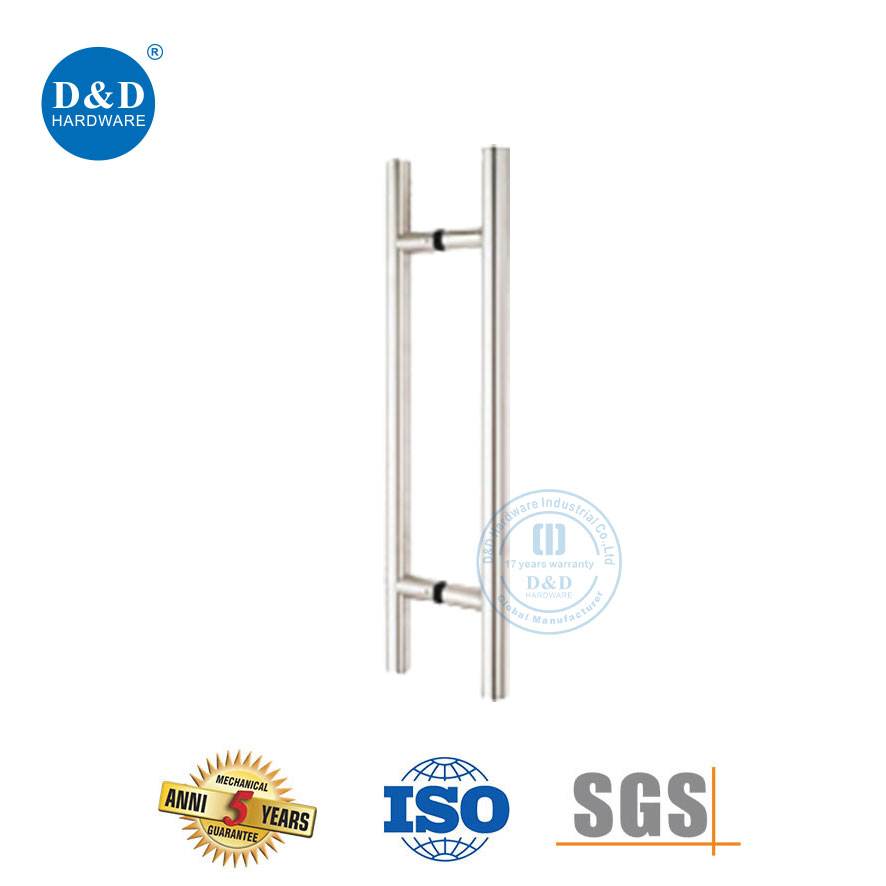
Glass door handles and locks are installed after the door panel is securely mounted and aligned. These components should enhance usability without introducing stress to the glass.
When installing handles, installers must ensure that:
-
Mounting holes align perfectly with handle fasteners
-
Spacers and sleeves are correctly positioned
-
Fasteners are tightened evenly on both sides
-
Handle alignment matches the door’s vertical axis
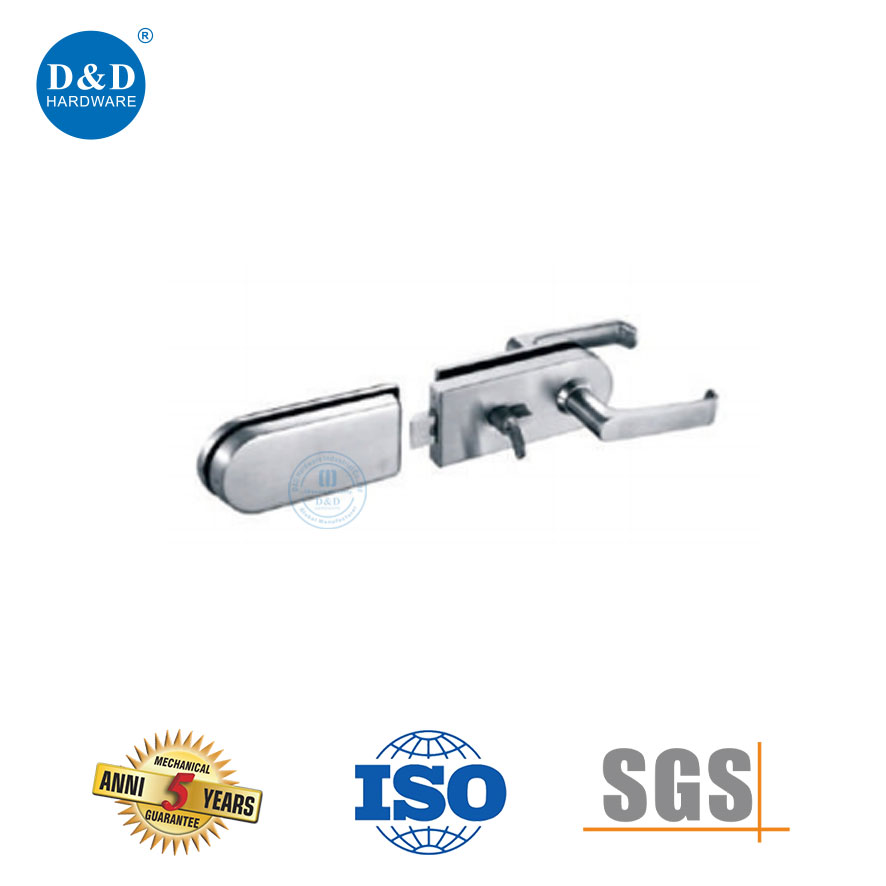
For glass door locks, alignment between the lock body and strike plate is especially important. Misalignment can cause operational friction or incomplete locking, which affects both security and user experience.
Rather than tightening all fasteners immediately, gradual tightening allows for final adjustments and reduces the risk of glass damage.
Door Alignment and Final Adjustments
Once all hardware is installed, precise alignment is the final step before completion. This stage determines whether the door operates smoothly and maintains its performance over time.
The door should be checked for:
-
Vertical alignment (no leaning or twisting)
-
Consistent gaps between door and surrounding structures
-
Smooth opening and closing motion
-
Proper latch engagement if locking hardware is used
Fine adjustments may involve hinge tuning, floor spring regulation, or minor repositioning of hardware components. This process should never be rushed, as alignment issues tend to worsen with regular use if left unresolved.
Safety Checks and Long-Term Performance Considerations
Before handing over the installation, comprehensive safety checks should be conducted. Frameless glass doors must meet functional expectations while maintaining safe operation for daily use.
Recommended final checks include:
-
Verifying all fasteners are secure but not over-tightened
-
Inspecting glass contact points for even pressure
-
Confirming door closing speed is controlled and consistent
-
Ensuring no metal components contact bare glass edges
Long-term performance also depends on correct installation. Well-installed frameless glass door hardware reduces maintenance needs, improves user comfort, and extends the service life of both glass and hardware components.
Conclusion
Installing frameless glass door hardware is a precision-driven process that demands careful planning, accurate measurement, and methodical execution. From preparation and fitting alignment to final adjustments and safety checks, each step plays a vital role in ensuring the door performs reliably and safely.
By following structured installation practices and paying attention to detail, installers and project managers can achieve professional results that enhance both aesthetics and functionality. Proper installation not only protects the glass but also ensures that frameless glass doors deliver the clean, modern appearance they are designed for while performing flawlessly in demanding environments.
Please feel free to contact us at any time!
David Jian:
Tel / WhatsApp / Wechat:+86-139 2903 7292