

Glass doors are widely used in modern architecture because they provide transparency, natural light, and a clean aesthetic. From office entrances and retail storefronts to hotels, shower rooms, and commercial buildings, glass doors have become an essential part of contemporary design. However, selecting the right glass door lock is just as important as choosing the door itself. A well-selected lock ensures security, smooth functionality, and compatibility with the entire door system.
Because glass doors differ from traditional wooden or metal doors, they require specialized locking solutions designed specifically for tempered glass panels. Factors such as glass thickness, door type, installation method, security requirements, and environmental conditions all influence the choice of lock. Understanding these factors can help architects, contractors, and project managers choose the most suitable glass door lock for their projects.
This article explains the key considerations when selecting a glass door lock, helping you ensure both safety and long-term performance.
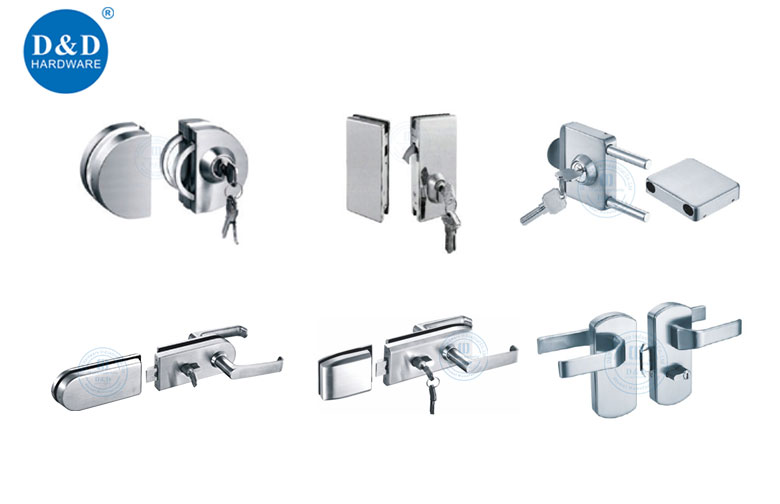
Understanding Different Types of Glass Door Locks
Before selecting a lock, it is important to understand the main types of glass door locks available on the market. Each type is designed for different door structures and applications.
Some of the most commonly used glass door locks include:
Patch Locks
Patch locks are widely used for frameless glass doors in commercial environments. They are mounted on the glass panel without drilling large holes, making installation easier while maintaining a minimalist appearance. Patch locks are often used together with floor springs and glass door patch fittings.
Deadbolt Glass Door Locks
Deadbolt locks provide a higher level of security. They use a solid bolt mechanism that extends into the frame or floor, preventing the door from being forced open. These locks are commonly used in offices, retail stores, and building entrances where stronger protection is required.
Sliding Glass Door Locks
Sliding glass doors require specialized locks designed for horizontal movement. These locks typically integrate with sliding door systems and prevent the door panel from being lifted or forced open.
Glass Door Clamp Locks
Clamp locks are attached to the glass door using clamping pressure instead of drilling. They are commonly used in display cabinets, small glass doors, or light-duty applications.
Choosing the correct lock type depends largely on the door structure and the security level required for the project.
Consider Glass Thickness and Door Structure
Glass doors are typically made from tempered glass with thickness ranging from 8 mm to 12 mm, though some heavy commercial installations may use thicker panels. The lock must be compatible with the glass thickness to ensure proper installation and secure clamping.
When evaluating compatibility, consider the following factors:
• Glass Thickness Range – The lock should support the exact thickness of the glass panel used in your project.
• Framed vs Frameless Doors – Frameless glass doors usually require patch locks or clamp locks, while framed doors may use cylinder locks or mortise locks.
• Single Doors vs Double Doors – Double glass doors often require locks with floor bolts or strike boxes to secure both panels.
• Pre-drilled Holes – Some locks require precise glass cut-outs, while others are designed for no-hole installation.
Selecting a lock that matches the glass specifications prevents installation issues and ensures stable operation.
Evaluate Security Requirements
Security is one of the most important factors when choosing a glass door lock. Different environments require different levels of protection.
For example, a retail storefront will typically require stronger security than a shower door or interior office partition. High-traffic commercial areas may also require locks that integrate with access control systems.
When evaluating security needs, consider:
• Locking Mechanism Strength – Deadbolt mechanisms generally provide higher security than simple latch locks.
• Cylinder Quality – High-quality lock cylinders improve resistance against picking and tampering.
• Keyed vs Thumbturn Locks – Keyed locks are common for exterior doors, while thumbturn locks may be suitable for interior spaces.
• Compatibility with Access Control Systems – Some glass door locks can be integrated with electronic access systems or smart locks.
• Anti-tampering Features – Reinforced housing and secure mounting reduce the risk of forced entry.
Choosing a lock that matches the security level of the building helps protect property and ensures compliance with safety requirements.
Installation Method and Hardware Compatibility
Glass door locks rarely function alone. They usually work together with other glass door hardware components such as hinges, patch fittings, floor springs, or door closers. Therefore, compatibility with the overall door system is critical.
Improperly matched hardware may cause alignment problems, poor door operation, or reduced durability.
Important compatibility factors include:
• Integration with Glass Door Hinges – The lock position must align correctly with hinges or pivot systems.
• Floor Spring Compatibility – Many commercial glass doors use floor springs that automatically close the door; the lock must work smoothly with this system.
• Strike Plate or Floor Socket Position – Accurate alignment ensures the bolt engages properly.
• Handle and Lock Combination – Some patch locks are designed to integrate with pull handles.
Careful planning during the design stage ensures all hardware components work together as a complete system.
Material and Durability Considerations
Glass door locks are often installed in high-traffic areas, meaning durability is essential. The material used in the lock body directly affects its strength, corrosion resistance, and long-term reliability.
High-quality glass door locks are typically manufactured from stainless steel, which provides excellent strength and corrosion resistance. Stainless steel is particularly suitable for environments exposed to moisture, such as bathrooms, coastal buildings, or humid climates.
Common material considerations include:
• Stainless Steel Construction – Provides durability and long service life.
• Surface Finishes – Popular finishes include satin, polished, matte black, and PVD coatings.
• Corrosion Resistance – Essential for outdoor or humid environments.
• Wear Resistance – Important for high-traffic commercial buildings.
Choosing durable materials reduces maintenance costs and ensures the lock remains reliable for many years.
Aesthetic Design and Architectural Integration
While security and functionality are critical, the appearance of the lock should also complement the overall design of the glass door and surrounding architecture. Glass doors are often chosen for their clean and modern look, so the hardware should enhance this visual style.
Minimalist patch locks and slim clamp locks are commonly used in contemporary commercial spaces because they maintain the transparent appearance of the glass door. Matching the finish of the lock with other door hardware, such as handles and hinges, also creates a consistent visual effect.
Architects and designers often consider:
• Matching finishes with other door hardware
• Maintaining a minimalist appearance
• Selecting compact lock bodies to reduce visual obstruction
• Coordinating hardware with interior design themes
A well-designed lock not only secures the door but also contributes to the overall aesthetic quality of the building.
Choosing a Reliable Glass Door Lock Manufacturer
The performance of a glass door lock depends not only on the design but also on the manufacturing quality. Working with a reliable manufacturer ensures consistent product quality, accurate engineering, and long-term support.
A professional glass door hardware manufacturer typically offers a wide range of lock models suitable for different applications, along with strict quality control during production.
When evaluating a supplier, consider:
• Manufacturing experience in glass door hardware
• Product quality control and testing procedures
• Availability of multiple lock designs and finishes
• Stable supply capability for large projects
• Technical support for installation and customization
Partnering with an experienced manufacturer helps ensure your project receives dependable and high-quality hardware solutions.
Conclusion
Choosing the right glass door lock is a crucial step in designing safe, functional, and visually appealing glass door systems. Because glass doors require specialized hardware, selecting the correct lock involves evaluating multiple factors, including lock type, glass thickness compatibility, security requirements, installation method, material durability, and design aesthetics.
A well-selected glass door lock enhances the overall performance of the door while ensuring reliable security and smooth daily operation. By carefully considering these key factors and working with a trusted hardware supplier, architects, contractors, and project managers can confidently select the most suitable glass door lock for their projects.
Investing time in the selection process ultimately leads to better installation results, improved durability, and a safer building environment.
Please feel free to contact us at any time!
David Jian:
Tel / WhatsApp / Wechat:+86-139 2903 7292