

Glass doors are now widely used in modern commercial architecture because they create a clean, open, and professional appearance. Offices, hotels, shopping malls, restaurants, and luxury retail stores all prefer frameless glass doors to improve natural lighting and enhance interior aesthetics. However, while glass doors offer strong visual appeal, they also require reliable hardware systems to ensure stable and safe operation.
Compared with traditional wooden or metal doors, glass doors are heavier and more delicate. Without proper movement control, they can slam unexpectedly, create noise, damage hardware, or even cause injuries. This is why floor springs have become one of the most important components in modern glass door systems.
A floor spring is more than just a door closer. It is a concealed hydraulic control system that supports the weight of the glass door while regulating its opening and closing movement. By providing smooth hydraulic control, floor springs help improve safety, increase durability, and create a better user experience in commercial environments.
Today, floor springs are considered an essential solution for architectural glass door systems because they combine functionality, safety, and minimalist design in a single product.
What Is a Floor Spring?
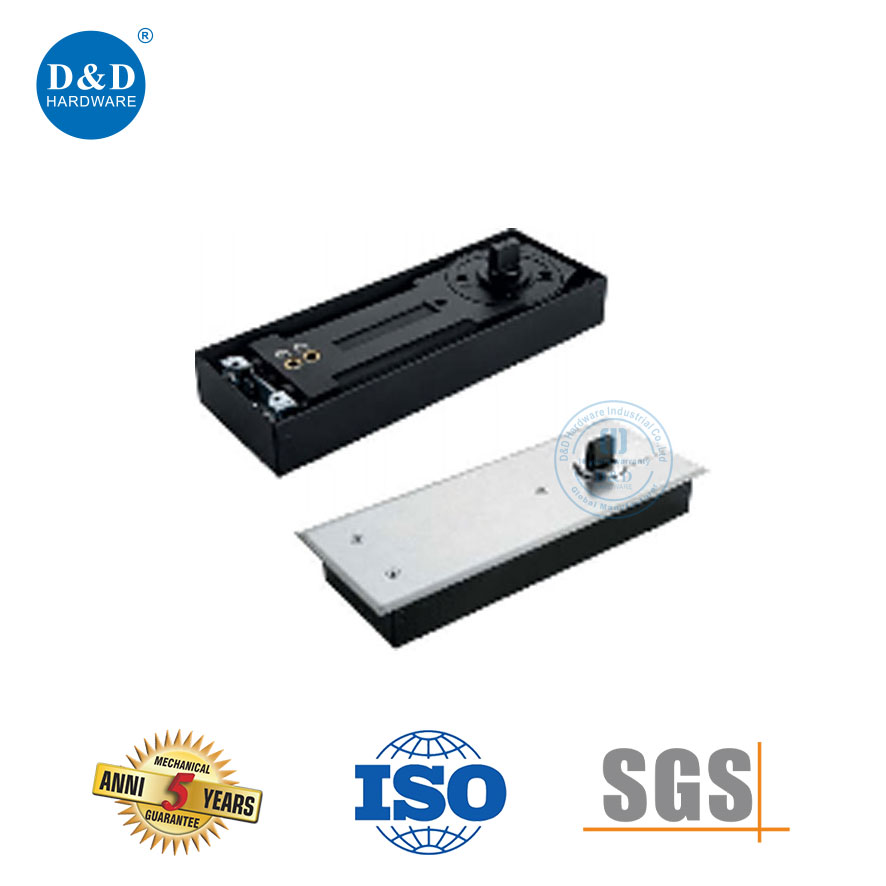
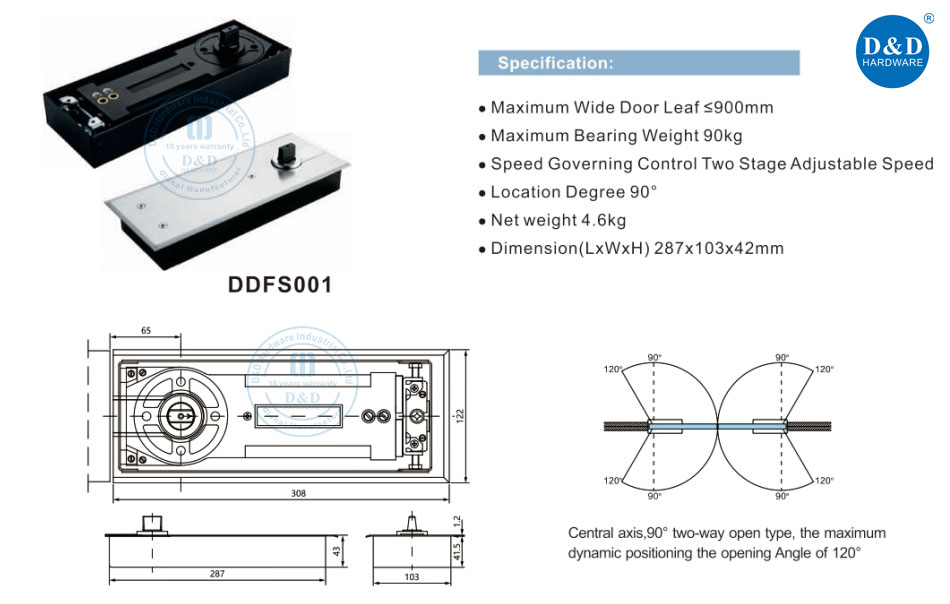
A floor spring is a concealed hydraulic device installed beneath the floor surface directly under the door pivot point. It controls the opening and closing movement of the door while supporting the weight of the glass panel.
Unlike traditional overhead door closers, floor springs remain hidden under the floor, making them especially suitable for frameless glass doors where clean appearance is important.
A standard floor spring system usually includes:
• Hydraulic control mechanism
• Heavy-duty spring body
• Pivot spindle
• Stainless steel cover plate
• Adjustable closing valves
• Hold-open or non-hold-open function
When the door opens, the internal spring stores energy. As the door closes, hydraulic resistance controls the speed and movement, preventing sudden slamming and unstable motion.
Because the mechanism is concealed, floor springs maintain the elegant appearance of modern glass entrances while still providing strong performance.
Why Glass Doors Need Better Safety Control
Glass doors create a modern architectural look, but they also introduce several operational challenges. Large frameless glass doors are usually heavy, and their movement must be carefully controlled to avoid safety risks.
Without hydraulic control, glass doors may:
| Common Problem | Possible Result |
| Door slamming | Glass damage or noise |
| Unstable movement | Poor user experience |
| Misalignment | Difficult opening and closing |
| Excessive force | Hardware wear |
| Sudden closure | Finger injuries |
In busy commercial environments, these issues become even more serious because doors operate continuously throughout the day. Office entrances, shopping centers, and hotels may experience hundreds or even thousands of door cycles daily.
Floor springs help solve these problems by ensuring that the door moves smoothly and predictably. The hydraulic system absorbs excessive force and controls the closing speed, creating a safer and more comfortable environment for users.
Modern building standards also place greater emphasis on accessibility and safety. Controlled door movement is now an important requirement in many commercial projects, especially in public buildings where high pedestrian traffic is expected.
How Floor Springs Improve Glass Door Safety
Controlled Closing Prevents Door Slamming
One of the biggest advantages of floor springs is their ability to control door closing speed. Heavy glass doors without hydraulic control can close violently due to wind pressure, gravity, or user force.
This sudden movement may lead to:
• Loud impact noise
• Glass stress and cracking
• Damage to door fittings
• Injury risks for nearby users
A hydraulic floor spring slows the closing action and creates smooth movement throughout the entire closing cycle. Instead of slamming shut, the door returns gently to the closed position.
This feature is especially important in commercial buildings where maintaining a quiet and professional environment matters.
Improved Stability for Heavy Glass Doors
Glass doors are significantly heavier than standard interior doors. Large commercial glass panels may exceed 100kg, which requires stable support hardware.
Floor springs improve stability by supporting the door from the bottom pivot point. This balanced support helps maintain proper alignment and reduces pressure on the glass.
Stable operation provides several long-term benefits:
• Reduced hardware wear
• Better door alignment
• Smoother opening movement
• Lower maintenance frequency
• Longer service life
Because floor springs distribute weight effectively, they are widely used in oversized frameless glass entrances found in modern commercial architecture.
Reduced Risk of Injuries
In busy environments, uncontrolled glass doors can create safety hazards. A door that closes too quickly may hit users or trap fingers near the edge of the glass.
Floor springs reduce these risks by slowing the final closing action. The controlled hydraulic movement makes the door safer for both adults and children.
This is particularly valuable in locations such as:
• Shopping malls
• Restaurants
• Hotels
• Office buildings
• Hospitals
In these environments, smooth door operation improves both safety and customer comfort.
How Floor Springs Improve Door Control
Besides safety, floor springs also improve the overall control and functionality of glass door systems.
A well-adjusted floor spring creates balanced resistance during opening and closing. Users experience smoother movement, quieter operation, and more consistent performance.
Modern commercial buildings increasingly focus on user experience, and door movement plays a surprisingly important role in how people perceive a space. A noisy or unstable door creates a poor impression, while a smooth and controlled door enhances the overall quality of the building.
Most modern floor springs also include adjustable hydraulic valves that allow installers to fine-tune door behavior according to project requirements.
Common adjustment functions include:
| Adjustment Function | Purpose |
| Closing speed | Controls overall closing movement |
| Latching speed | Controls final closing action |
| Backcheck | Prevents excessive opening force |
| Hold-open angle | Keeps door fixed at a certain position |
These adjustment options make floor springs highly flexible for different commercial applications.
For example, a hotel entrance may require softer and quieter operation, while a retail store may prioritize faster movement during high traffic periods.
Why Architects Prefer Floor Springs
Modern architecture increasingly emphasizes minimalist design and clean visual aesthetics. Frameless glass doors perfectly match this trend because they create openness and transparency.
Traditional overhead door closers often disrupt this appearance because the hardware remains visible above the door. Floor springs solve this problem by hiding the entire mechanism beneath the floor.
This concealed design offers several advantages:
• Cleaner architectural appearance
• Better integration with frameless glass
• Reduced visual clutter
• Premium commercial aesthetics
• More professional entrance design
Because only the cover plate is visible, floor springs maintain the sleek appearance of modern glass entrances.
This is one of the main reasons floor springs are widely used in:
• Luxury hotels
• Corporate offices
• High-end retail stores
• Shopping malls
• Modern residential projects
Architects and designers often prefer concealed hardware solutions because they combine functionality with aesthetics.
Choosing the Right Floor Spring
Selecting the correct floor spring is important for long-term performance and safety. Different projects require different specifications depending on door size, traffic frequency, and environmental conditions.
When choosing a floor spring, several factors should be considered carefully.
Door Weight and Size
Every floor spring has a recommended load capacity. Choosing a model that cannot support the actual door weight may result in unstable movement or hydraulic failure.
Large commercial glass doors require heavy-duty floor springs with stronger internal mechanisms.
Traffic Frequency
High-traffic environments place continuous stress on door hardware. Commercial-grade floor springs are designed to handle frequent operation while maintaining stable hydraulic performance.
Buildings with high daily traffic include:
• Airports
• Office towers
• Shopping centers
• Hotels
• Public facilities
Corrosion Resistance
For humid or coastal environments, corrosion resistance is extremely important. Stainless steel cover plates and durable internal materials help improve product lifespan.
This is especially useful for exterior entrances exposed to moisture and changing weather conditions.
Hold-Open Function
Some floor springs include hold-open functionality, allowing the door to remain fixed at a certain angle.
| Type | Typical Application |
| Hold-open floor spring | Retail stores, showrooms |
| Non-hold-open floor spring | Offices, fire-rated doors |
Selecting the right function depends on building safety requirements and traffic flow needs.
Common Problems with Low-Quality Floor Springs
Although floor springs are hidden beneath the floor, their performance directly affects the entire door system. Low-quality products often develop problems after continuous use.
Common issues include:
• Oil leakage
• Weak hydraulic control
• Door slamming
• Noisy operation
• Uneven closing speed
• Short service life
These problems not only affect user experience but may also increase maintenance costs and create safety concerns.
For commercial projects, reliable floor springs are essential because door systems operate continuously every day. Choosing tested and durable products helps reduce long-term operational problems.
Conclusion
Floor springs play a critical role in improving the safety, stability, and control of modern glass door systems. By regulating door movement through hydraulic technology, they help prevent slamming, reduce injury risks, and improve overall operational comfort.
At the same time, concealed floor spring systems support the clean and minimalist appearance preferred in modern architecture. Their ability to combine safety, durability, and elegant design makes them one of the most important components in frameless glass door applications.
From hotels and office buildings to shopping malls and retail stores, floor springs continue to provide reliable solutions for high-traffic commercial entrances. As architectural glass doors become larger and more sophisticated, the demand for high-quality floor spring systems will continue to grow.
FAQ
What is the main purpose of a floor spring?
A floor spring controls the opening and closing movement of glass doors while supporting the door weight and improving operational safety.
Are floor springs suitable for heavy glass doors?
Yes. Heavy-duty floor springs are specifically designed for large commercial glass doors and high-traffic environments.
Why are floor springs better for frameless glass doors?
Because the mechanism is concealed beneath the floor, floor springs maintain a clean and modern appearance without visible overhead hardware.
Can floor springs reduce door slamming?
Yes. Hydraulic floor springs regulate the closing speed and significantly reduce sudden slamming.
Do floor springs require maintenance?
Basic inspection and occasional adjustment are recommended to maintain stable hydraulic performance and extend service life.
Please feel free to contact us at any time!
David Jian:
Tel / WhatsApp / Wechat:+86-139 2903 7292